
Constipation in Kids: What’s Normal, What’s Not, and How Pelvic Floor Physical Therapy Can Help

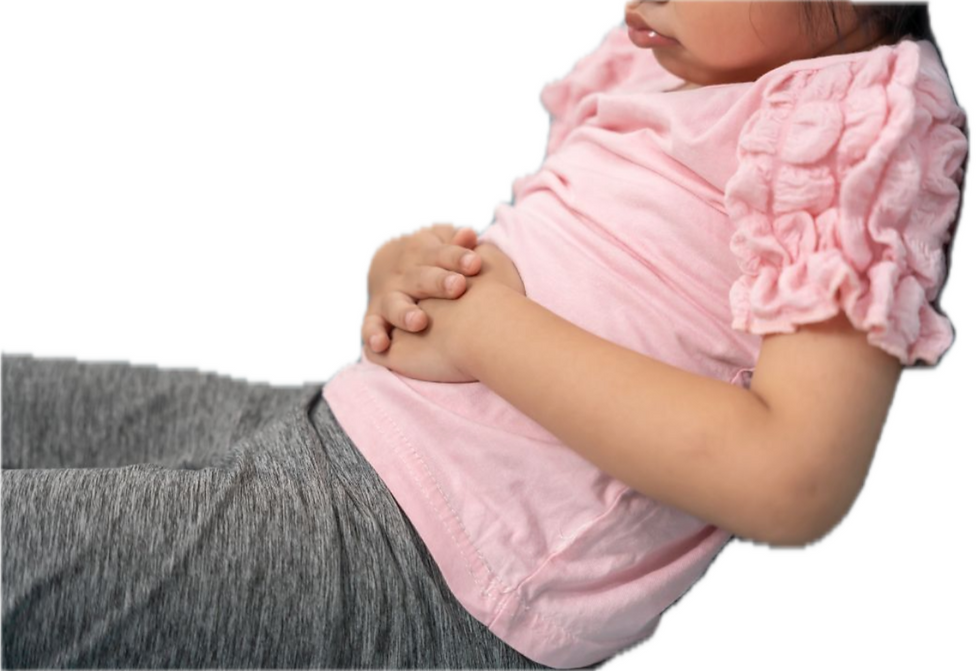
Constipation in kids is incredibly common, but that doesn’t mean it should be ignored.
If your child is struggling with infrequent bowel movements, hard stools, painful pooping, or even stool accidents (also called encopresis), you’re not alone. Many families deal with this at some point, and it can quickly become stressful for both parents and kids.
The good news? There are effective, supportive ways to address it, and with a team based approach including their pediatrician, pediatric pelvic floor physical therapy is one of them.
What Does Constipation in Kids Actually Look Like?
Constipation isn’t just “not going every day.” In children, it can show up in a variety of ways, including:
Bowel movements fewer than 3 times per week
Hard, large, or painful stools
Straining or discomfort with pooping
Avoiding the toilet or “holding it in”
Belly pain or bloating
Skid marks or stool leakage in underwear (encopresis)
Encopresis can be especially confusing and frustrating. It often looks like a child is having accidents on purpose, but in reality, it’s usually the result of long-term constipation. When stool builds up in the rectum, it can stretch things out and reduce sensation, leading to leakage that the child can’t fully control.
Why Does Constipation Happen?
There’s rarely just one cause. Constipation in children is often a combination of physical, behavioral, and developmental factors:
1. Stool withholding
Sometimes it starts with a painful bowel movement. A child learns that pooping hurts, so they begin to avoid it. Over time, this creates a cycle, holding leads to harder stools, which leads to more pain.
2. Pelvic floor coordination issues
Pooping requires the pelvic floor muscles to relax at the right time. Some kids unintentionally tighten or “push the wrong way,” making it harder to go.
3. Changes in routine
Starting school, traveling, or even busy schedules can disrupt normal bathroom habits.
4. Diet and hydration
Low fiber intake or not drinking enough fluids can contribute, though this is often only one piece of the puzzle.
5. Nervous system development
Some children simply need more time and guidance to develop the coordination and awareness needed for regular bowel movements. Typically kids 5 and older have reached 90% of their nervous system development and are ready for pediatric pelvic floor therapy at his age.
The Emotional Side of Constipation
This is the part that often gets overlooked.
Kids with constipation or encopresis may feel embarrassed, frustrated, or even ashamed. They might avoid using the bathroom at school or withdraw from activities like sleepovers.
Parents, on the other hand, may feel confused or discouraged, especially if they’ve tried dietary changes, rewards, or reminders without much success.
It’s important to understand: this is not a behavior problem, and it’s not a parenting failure.
It’s a body coordination issue, and it’s very treatable with the right support.
How Pediatric Pelvic Floor Physical Therapy Helps
Pediatric pelvic floor physical therapy (PFPT) focuses on improving how the muscles, nerves, and habits involved in bowel movements work together.
At Bonneville Pelvic Health, we take a gentle, age-appropriate approach that helps kids feel comfortable and supported.
Here’s how PFPT can help:
1. Teaching proper muscle coordination
Kids learn how to relax their pelvic floor muscles instead of tightening when they’re trying to poop. This alone can be a game-changer.
2. Improving body awareness
Many children don’t fully recognize the signals their body is sending. Therapy helps them tune into those cues so they can respond earlier.
3. Establishing healthy bathroom habits
We guide families on timing, positioning (like proper toilet posture), and routines that make bowel movements easier and more consistent.
4. Reducing fear and avoidance
When pooping becomes less painful and more predictable, kids naturally feel less anxious about going.
5. Supporting long-term success
Rather than quick fixes, PFPT helps build sustainable habits that support lifelong bowel health.
What Does a Visit Look Like?
Pediatric pelvic floor therapy is designed to feel safe, relaxed, and even a little fun. Sessions often include:
Simple explanations using kid-friendly language
Movement, breathing, and coordination exercises
Visuals or games to teach concepts
Parent education and practical strategies for home
And importantly, there is typically no internal treatment for children.
When Should You Seek Help?
If your child is 5 years or older and having the difficulties described below, it may be time to consider pediatric pelvic floor therapy for your child. If your child:
Has ongoing constipation despite diet changes
Avoids the toilet or seems afraid to poop
Experiences frequent accidents or encopresis
Complains of pain with bowel movements
Has been dealing with symptoms for several weeks or longer
Earlier support can make a big difference and help prevent the cycle from becoming more ingrained.
You’re Not Alone—And Your Child Isn’t “Behind”
Constipation and encopresis can feel isolating, but they are far more common than most people talk about.
With the right support, kids can learn how their bodies work, gain confidence, and get back to feeling like themselves again.
Ready to Take the Next Step?
If you’re wondering whether pediatric pelvic floor physical therapy could help your child, you don’t have to figure it out on your own.
At Bonneville Pelvic Health, we’re here to support both you and your child with practical tools, guidance, and a plan that actually makes sense for your family.
Reach out to schedule an evaluation, we’re happy to help you take the next step with confidence.

Comments