
What Is Normal Pooping for Kids? A Parent’s Guide

Let’s be honest, no one really talks about this.
But at some point, almost every parent finds themselves wondering:“Is this normal?”
How often should kids poop?
Is it okay if they skip a few days?
Why does it seem so hard for them to go?
If you’ve had any of these thoughts, you’re in the right place.
Understanding what’s typical (and what’s not) can help you catch small issues early—before they turn into bigger challenges like chronic constipation or stool accidents.

How Often Should Kids Poop?
There’s actually a wide range of normal when it comes to bowel habits in children.
Some kids go:
1–2 times per day
Once every other day
Both of these can be completely normal. As long as the bowel movements are easy, comfortable, and consistent.
A helpful way to think about it is this:👉 It’s less about how often they go, and more about how it looks and feels when they do.
What Do Normal Bowel Habits in Children Look Like?
Healthy bowel movements in kids are typically:
Soft and formed (not hard or pellet-like)
Easy to pass without straining
Pain-free
Happening without a lot of urgency or accidents
Consistent over time
Many providers use something called the Bristol Stool Chart, where ideal stools fall in the middle and are smooth, soft, and sausage-shaped.
If your child’s bowel movements generally fit this description, things are likely on track.

Signs Something Might Be Off
Sometimes the early signs of constipation or bowel dysfunction are easy to miss.
Here are some common child constipation signs to watch for:
Going fewer than 3 times per week
Complaining that it hurts to poop
Straining or taking a long time in the bathroom
Hard, large, or dry stools
Avoiding the toilet or “holding it in”
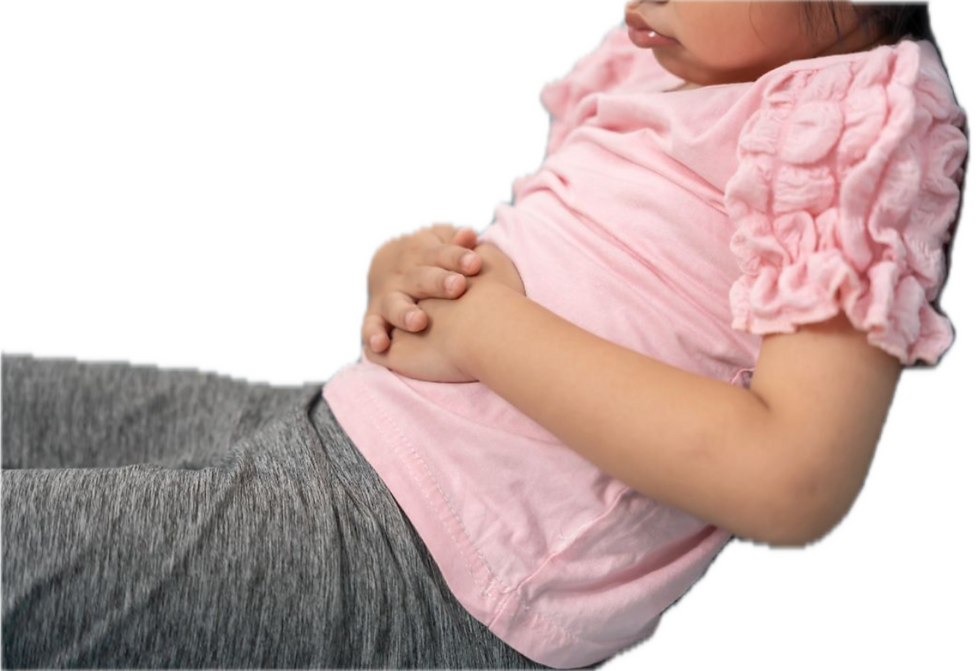
Belly pain or bloating
Skid marks or small stool accidents
Even if your child is going regularly, discomfort or difficulty is a signal that something isn’t working as smoothly as it should.
Why Do Kids Develop Constipation?
Constipation in kids is rarely just about diet. It’s usually a combination of factors, including:
1. Holding stool
Sometimes kids ignore the urge to go—because they’re playing, at school, or simply don’t want to stop what they’re doing.
Other times, it’s because a past bowel movement was painful, and they’re trying to avoid that feeling again.
2. Changes in routine
Travel, starting school, or busy schedules can disrupt normal bathroom habits.
3. Pelvic floor coordination
For a bowel movement to happen, the pelvic floor muscles need to relax.
Some kids unintentionally tighten instead, making it harder to go, even when they try.
4. Diet and hydration
Low fiber intake or not drinking enough fluids can contribute, but this is often just one piece of the puzzle.
Why Early Awareness Matters
One of the most important things to understand is this:
👉 Constipation often starts small.
A few skipped days here and there… a little straining… occasional discomfort.
But over time, these patterns can build into:
Chronic constipation
Stool withholding
Catching things early can make a big difference—and often means simpler, faster solutions.
If you’re starting to notice these patterns, you can read more about how this cycle develops in our post on constipation in kids and encopresis.
When Should You Be Concerned?
It may be time to look a little closer if your child:
Regularly skips multiple days without a bowel movement
Says it hurts to poop
Avoids or resists the toilet
Has frequent belly pain
Experiences stool accidents
Seems anxious or stressed around bathroom time
You don’t have to wait until things feel severe to get support.
How Pelvic Floor Physical Therapy Can Help
If your child is showing signs of constipation, pelvic floor physical therapy can help address the root of the issue—not just the symptoms.
At Bonneville Pelvic Health, we focus on:
Teaching kids how to coordinate and relax their pelvic floor muscles
Improving awareness of body signals
Creating simple, consistent bathroom routines
Reducing fear or anxiety around pooping
Our approach is always age-appropriate, gentle, and designed to help kids feel comfortable and supported.
A Quick Note for Parents
If you’ve been second-guessing yourself or wondering if you missed something—you didn’t.
Bowel habits in kids can be surprisingly complex, and many of these patterns develop gradually over time.
Paying attention now and asking questions is exactly what helps your child in the long run.
Not Sure What’s Normal for Your Child?
If something feels off—even if you can’t quite explain it—that’s worth paying attention to.
You don’t need to wait until things get worse or more stressful.
At Bonneville Pelvic Health, we’re happy to help you sort through what you’re seeing and give you clear, practical next steps.
If your child is age 5 or older, reach out to schedule an evaluation—we’re here to support you and your child with confidence and clarity.
If you want, I can keep building these out in a way that subtly guides parents from “just curious” → “this might be my kid” → “I should reach out,” which is where you’ll see the biggest conversion lift.
Written By:
Pediatric Pelvic Floor Physical Therapist
Dedicated to continuous clinical education and supporting individuals across all pelvic health phases through evidence-based, compassionate care. I am actively pursuing my CAPP-Pelvic (Certificate of Advanced Practice in Pelvic Physical Therapy) to further enhance patient outcomes.


Comments