
Leaking, Pelvic Pressure, or Pain After Birth? When to Start Pelvic Floor Physical Therapy

If you've noticed urine leakage when you sneeze, a heavy feeling in your pelvis, pain during sex, or persistent core weakness after having a baby, you're not alone. Many women assume these symptoms are simply part of postpartum recovery, but they don't have to be.
One of the most common questions we hear at Bonneville Pelvic Health is: When is the best time to start pelvic floor physical therapy after giving birth?
The short answer: earlier than most people think.
While every recovery is unique, pelvic floor physical therapy can often begin within the first few weeks postpartum, with more comprehensive treatment typically starting around six weeks after delivery. The right timing depends on your symptoms, birth experience, and healing process.
Let's break down what you need to know.
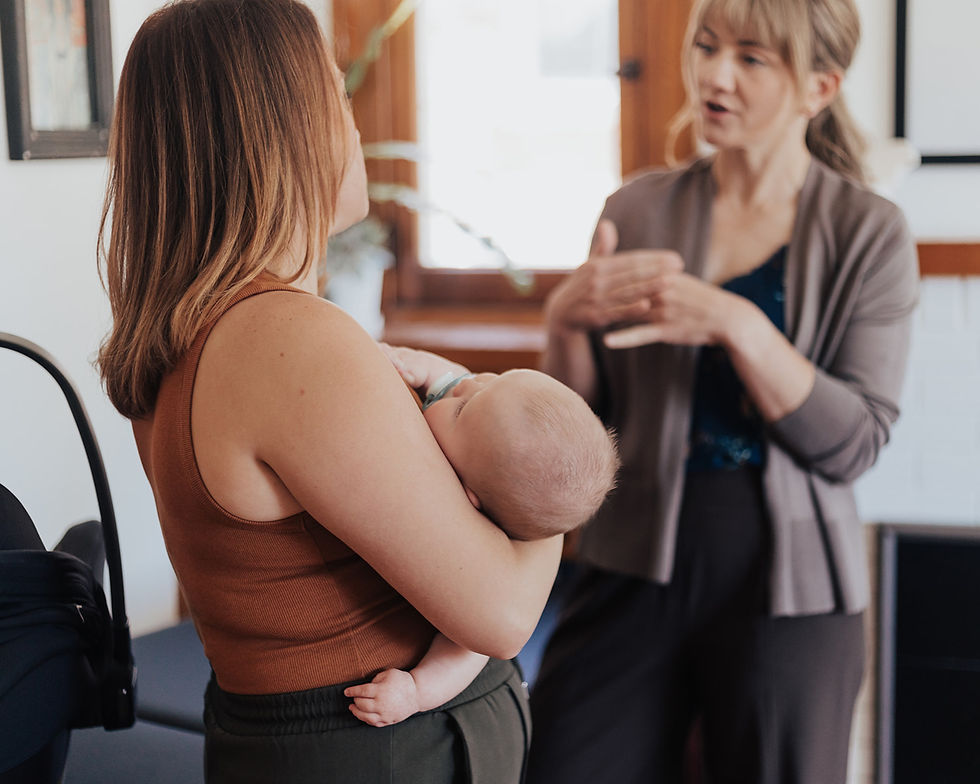
Why Your Pelvic Floor Needs Attention After Birth
Pregnancy and delivery place tremendous demands on the pelvic floor muscles. These muscles support your bladder, bowel, uterus, and core while helping control continence and sexual function.
Whether you had a vaginal delivery or a C-section, your pelvic floor has experienced significant stress during pregnancy and birth. Research shows that postpartum women commonly experience symptoms such as urinary leakage, pelvic pressure, pelvic pain, painful intercourse, and feelings of core weakness.
Unfortunately, many women are told these symptoms are "normal" after having a baby. While they may be common, they are often signs that your body could benefit from specialized support.
Can You Start Pelvic Floor Physical Therapy Right Away?
In many cases, yes.
The first few weeks after delivery are focused on healing, rest, and recovery. During this stage, a pelvic floor physical therapist can help with:
Gentle pelvic floor awareness
Swelling management
Scar healing education
Safe movement strategies
Posture and body mechanics for feeding and carrying your baby
Gentle pelvic floor exercises and breathing work can often begin shortly after birth if they feel comfortable and are appropriate for your situation.
This early support can help reduce discomfort, improve confidence, and give you a clear recovery plan during a time when many women feel unsure about what activities are safe.
Why Six Weeks Postpartum Is a Common Starting Point
For many women, the six-week postpartum mark is when pelvic floor physical therapy becomes more active.
By this point, tissues have had more time to heal, bleeding has usually decreased, and your healthcare provider may have completed your postpartum checkup. This often creates an ideal opportunity for a comprehensive pelvic floor evaluation.
During an evaluation, a pelvic floor physical therapist can assess:
Pelvic floor muscle strength and coordination
Core function
Scar mobility from C-sections or perineal tears
Pelvic organ support
Bladder and bowel function
Return-to-exercise readiness
Many women are surprised to learn that being "cleared" for exercise at six weeks doesn't necessarily mean their body is fully prepared for running, lifting, high-impact workouts, or returning to all previous activities.
Pelvic floor physical therapy helps bridge that gap safely.
Signs You Shouldn't Wait to Seek Help
While some postpartum discomfort is expected, certain symptoms are worth addressing sooner rather than later.
Consider scheduling a pelvic floor evaluation if you're experiencing:
Urinary Leakage
If you leak urine when coughing, sneezing, laughing, jumping, or exercising, your pelvic floor may need support.
Pelvic Heaviness or Pressure
A sensation of heaviness, bulging, or something "falling out" can indicate pelvic organ prolapse symptoms.
Pain
Pain is never something you should simply push through. This includes:
Tailbone pain
Hip pain
Pain during intercourse (after cleared by Physician)
Pain around scars
Difficulty Returning to Exercise
If workouts feel harder than expected, you feel unstable, or symptoms worsen during activity, a pelvic floor assessment can identify what's holding you back. (after cleared by Physician)
Core Weakness
Persistent abdominal separation otherwise known as diastasis recti, doming of the abdomen, or difficulty engaging your core may benefit from targeted rehabilitation.
Early intervention often helps prevent symptoms from becoming more persistent over time.
What If You're Months (or Years) Postpartum?
Here's some good news: it's never too late to start pelvic floor physical therapy.
Many women don't seek treatment until months or even years after childbirth. Some don't notice symptoms until they return to exercise, start lifting heavier weights, or enter another pregnancy.
Others have been living with bladder leaks, pain, or pelvic pressure for years because they assumed nothing could be done.
Pelvic floor physical therapy can help address postpartum symptoms regardless of how long ago you gave birth. Women frequently see meaningful improvements in bladder control, pelvic pain, prolapse symptoms, and overall function even years after delivery.
The Bottom Line
If you're wondering when to start pelvic floor physical therapy after giving birth, the answer is often sooner than you realize.
Gentle guidance and education can begin in the early postpartum weeks, while a comprehensive evaluation is commonly performed around six weeks postpartum once initial healing has occurred.
Most importantly, don't wait for symptoms to become severe before seeking help.
Whether you're leaking urine, feeling pelvic pressure, struggling with pain, or simply want confidence that your body is healing well, pelvic floor physical therapy can provide personalized support during every stage of postpartum recovery.
You deserve more than being told to "just give it time." You deserve a recovery plan that helps you feel strong, supported, and confident in your body again. You deserve to take the time to prioritize yourself and your health.


Comments