
Endometriosis and Pelvic Floor Physical Therapy: A Whole-Person Approach

Endometriosis is a complex condition that affects much more than the reproductive organs. While it's often thought of as a gynecologic condition, endometriosis can influence the muscles, nerves, connective tissue, bladder, bowel, hips, low back, and even the way the nervous system processes pain.
At Bonneville Pelvic Health, we work with many individuals living with endometriosis. Although pelvic floor physical therapy doesn't remove endometriosis lesions, it can play an important role alongside medical treatment by addressing the musculoskeletal and nervous system changes that often develop over time.
For many people, this means moving more comfortably, returning to activities they enjoy, improving bladder, bowel, and sexual function, and feeling more confident in their bodies again.
What Is Endometriosis?
Endometriosis occurs when tissue similar to the lining of the uterus grows outside the uterus. These lesions may be found on the ovaries, pelvic lining, bowel, bladder, ligaments, diaphragm, and other areas within the body.
Researchers are still learning exactly why endometriosis develops, and every person's experience is unique. Some individuals have extensive disease with relatively few symptoms, while others experience significant symptoms despite having fewer visible lesions.
Regardless of the stage of disease, endometriosis is a real medical condition that deserves thoughtful, evidence-based care.

Endometriosis Affects More Than the Lesions
One of the biggest misconceptions about endometriosis is that the lesions themselves are the only source of symptoms.
Over time, persistent inflammation and pain can lead to changes throughout the body. It's common for the muscles of the pelvic floor and surrounding areas to become protective, tense, and less coordinated. The nervous system may also become more sensitive after months or years of ongoing pain.
These changes are not "all in your head." They are very real adaptations that can continue to contribute to symptoms, even after medical or surgical treatment.
As a result, people with endometriosis may experience:
Persistent pelvic pain
Painful periods
Bladder urgency, frequency, or discomfort
Constipation or pain with bowel movements
Abdominal bloating
Hip, low back, or tailbone pain
Pain with exercise or prolonged sitting
Muscle tension throughout the abdomen, pelvis, hips, and diaphragm
Fatigue and decreased tolerance for daily activities
Not everyone experiences all of these symptoms, and no two people with endometriosis look exactly alike.
How Pelvic Floor Physical Therapy Helps
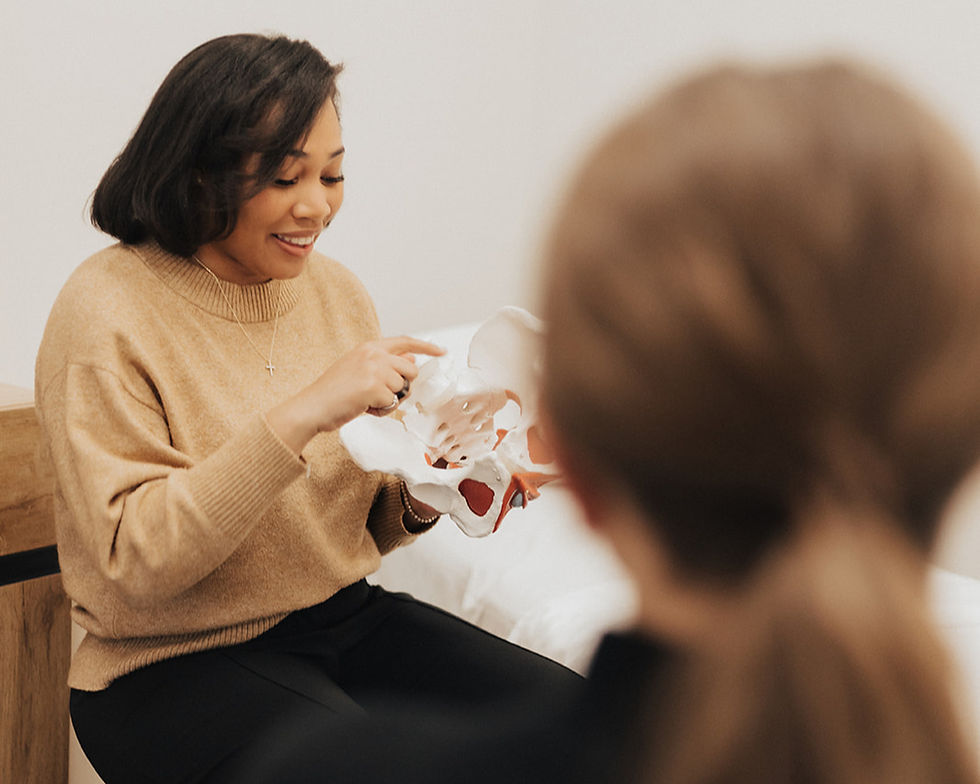
Pelvic floor physical therapists are uniquely trained to evaluate how the muscles, joints, connective tissue, breathing mechanics, posture, movement patterns, and nervous system may be contributing to your symptoms.
Rather than focusing only on where the pain is located, we look at how your entire body is functioning.
Treatment is individualized and may include:
Hands-on treatment to improve mobility of the pelvic floor, abdomen, hips, and surrounding connective tissue
Treatment of muscle guarding, trigger points, and areas of tension
Gentle mobility and strengthening exercises that match your current tolerance
Breathing strategies to improve coordination between the diaphragm, abdominal muscles, and pelvic floor
Bladder and bowel retraining when appropriate
Movement education to help you return to exercise and daily activities with greater comfort
Pain neuroscience education to better understand how persistent pain develops and how the nervous system can become less protective over time
Importantly, pelvic floor physical therapy is not about simply "managing" symptoms. The goal is to improve function, reduce unnecessary muscle guarding, support a healthier nervous system response, and help you participate more fully in the activities that are important to you.
Endometriosis Care Works Best as a Team
Endometriosis is rarely best treated by a single provider.
Many people benefit from working with an experienced gynecologist or endometriosis specialist while also receiving support from other healthcare professionals. Depending on your needs, your care team may include pelvic floor physical therapy, nutrition, mental health support, pain medicine specialists, gastroenterologists, fertility specialists, or primary care providers.
Medical management, hormone therapy, or excision surgery may be important components of treatment for some individuals. Pelvic floor physical therapy complements these approaches by addressing the musculoskeletal and nervous system changes that medications and surgery alone cannot always resolve.
Our goal is to work alongside the rest of your healthcare team so that your treatment addresses the whole person—not just the endometriosis itself.
You Don't Have to Navigate Endometriosis Alone
Many people with endometriosis spend years searching for answers before receiving the right diagnosis and treatment. If you're living with persistent pelvic pain, painful periods, pain with intercourse, or bladder and bowel symptoms, know that these experiences deserve to be taken seriously.
With the right combination of medical care and rehabilitation, many people experience meaningful improvements in their symptoms, function, and quality of life.
At Bonneville Pelvic Health, we believe endometriosis care should be individualized, compassionate, and grounded in the latest understanding of both the condition and the body's remarkable ability to adapt and recover. Pelvic floor physical therapy is one valuable piece of that journey, and we're here to support you every step of the way.
Written By:
Dual Board-Certified Pelvic Floor Therapist and Owner of Bonneville Pelvic Health
As an expert in pelvic floor rehabilitation, Dr. Bailee Burningham brings extensive experience in treating complex pelvic floor disorders. She is dedicated to providing compassionate, patient-centered care


Comments